
The faecal egg count in livestock remains one of the cornerstones of any parasite control programme, and its role in animal health and wellbeing is as important today as it has ever been.
What’s changing is how we identify and count eggs and oocysts in a sample. With the support of AI, we can now work in the minutiae – the micrometres of measurement, the minuscule differences in egg morphology – we are quite literally splitting hairs. And because that work can now be repeated at scale, the foremost of information can be drawn from the smallest of images, again and again.
OvaCyte™ has already confirmed its position as a leading faecal analyser backed by scientific publications and a continued commitment to research in veterinary parasitology. 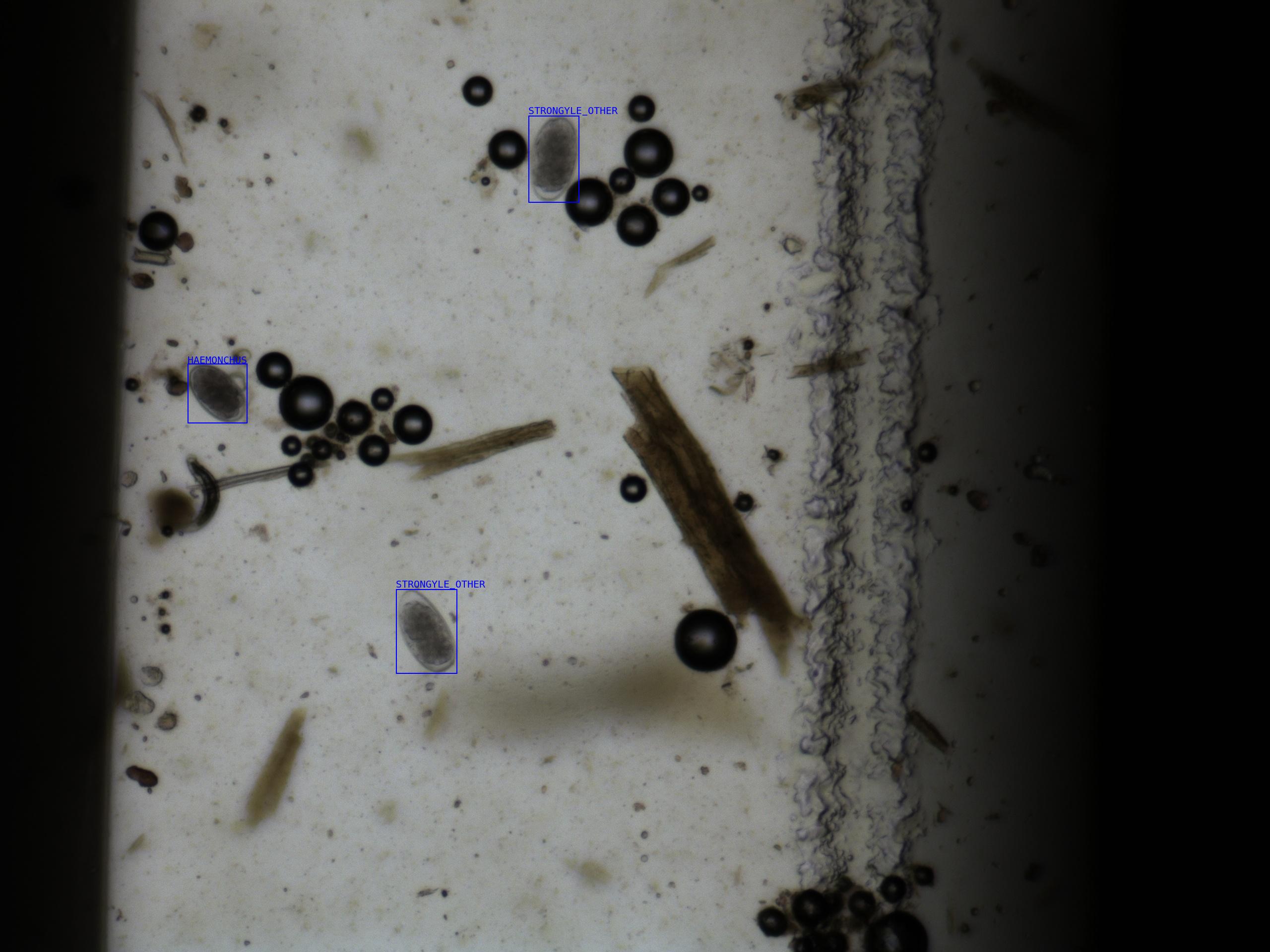
With the launch of OvaCyte™ Speciation, we are now offering veterinary clinics a world first in parasite species identification from a faecal egg count – in minutes, in your clinic.
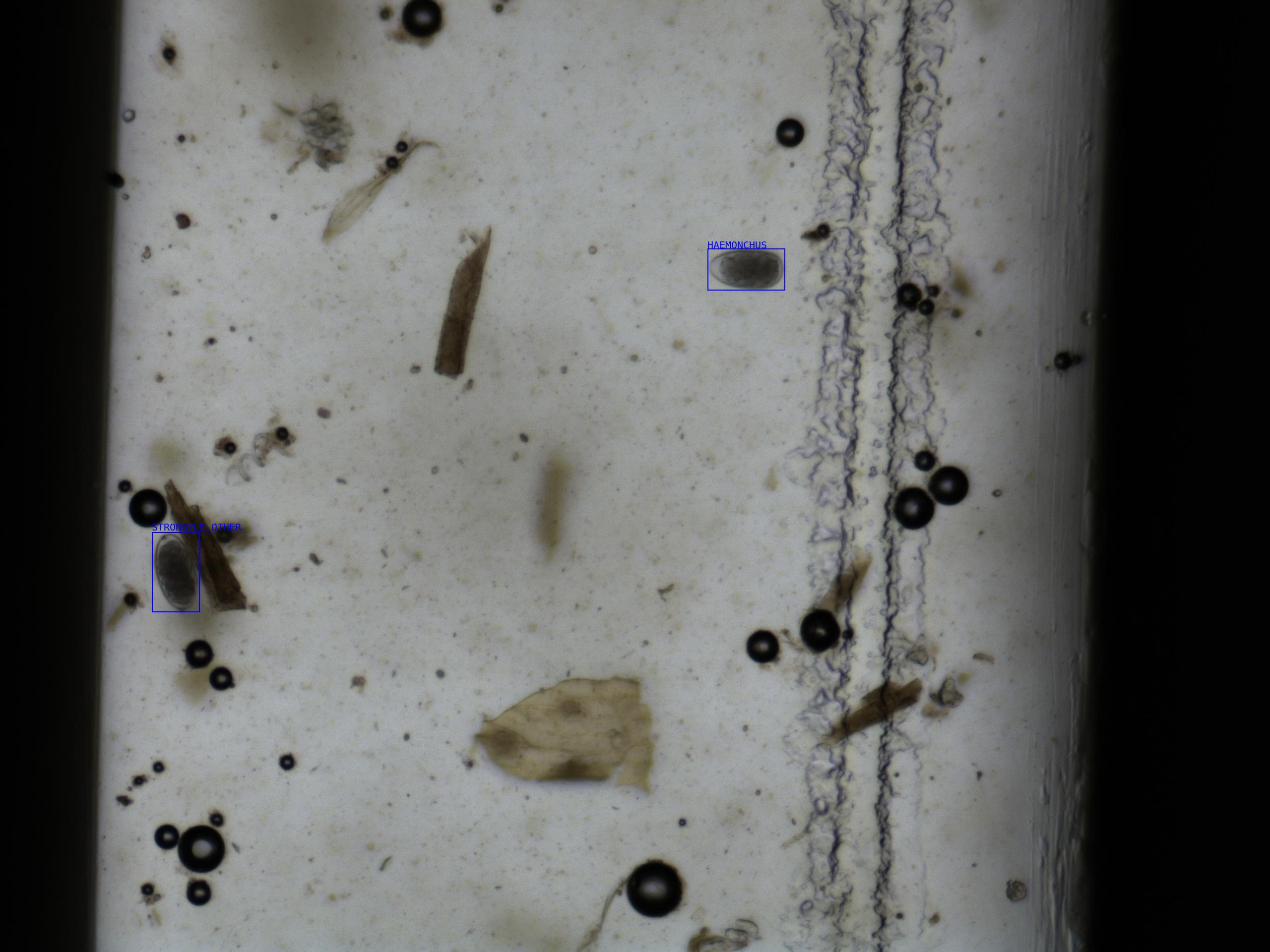
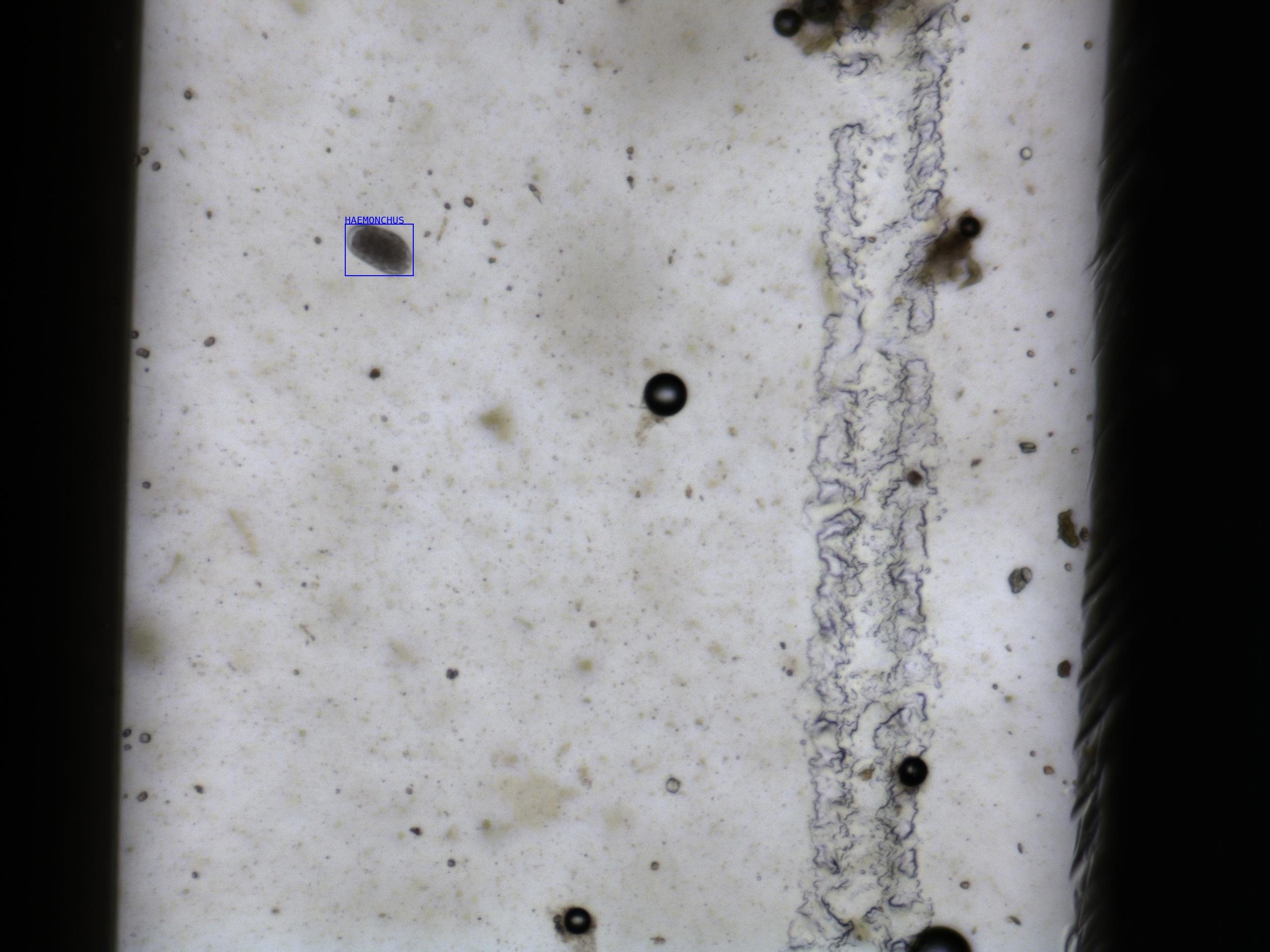
OvaCyte™ Speciation Ovine is the world’s first point of care solution to detect Haemonchus contortus eggs within a population of strongyle eggs in in a sheep faecal egg count. Previous to this launch this form of identification was considered almost impossible by microscopy at a clinic or laboratory level.
Haemonchus contortus, which is also known as Barbers Pole, is a parasite of significant concern globally causing devastating economic losses and impacting livestock welfare. Currently to detect Barbers Pole samples are required to be sent for laborious, costly, lengthy specialist testing in laboratories which is largely inaccessible to most practitioners and farmers . OvaCyte™ has brought this capability to point of care for the first time using advanced technology back by robust scientific testing for a fraction of the cost.
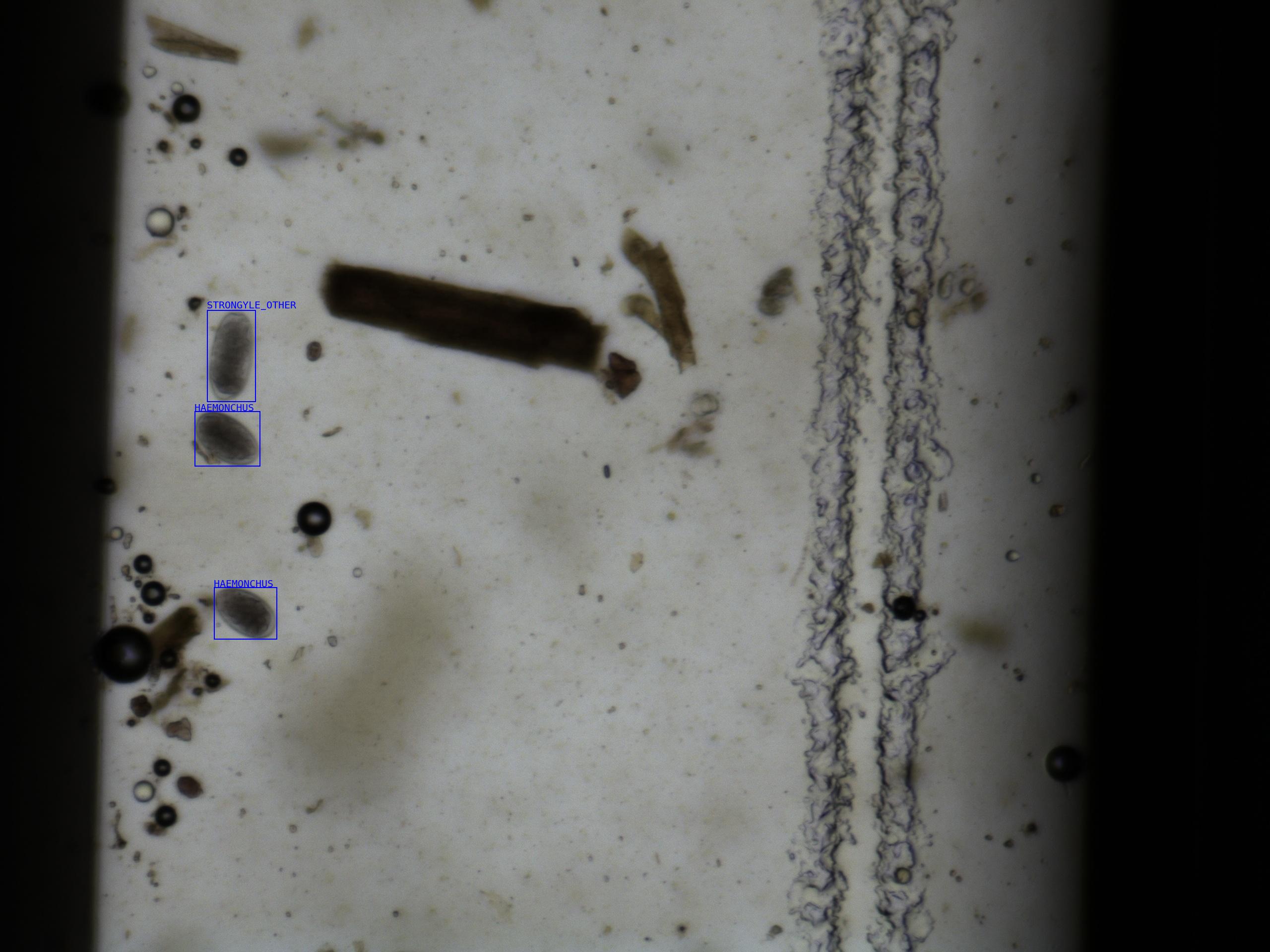 OvaCyte™ Speciation continues to push diagnostic boundaries with the launch of ovine coccidia speciation. Coccidiosis is a serious and devastating disease in sheep — and our rapid, science-backed detection of pathogenic coccidia on the OvaCyte™ Speciation platform marks another world first for the technology. Ovine coccidiosis is caused by Eimeria species, and of the roughly dozen Eimeria species recognised in sheep, only a handful are consistently linked to clinical disease: E. ovinoidalis, E. crandallis and E. weybridgensis. OvaCyte Speciation’s reports E. ovinoidalis, E. crandallis and E. weybridgensis together as ‘Type B’ coccidia, separating them from non-pathogenic species directly from the faecal sample.
OvaCyte™ Speciation Ovine was developed on curated catalogue of images of tens of thousands of Haemonchus contortus eggs and coccidia oocysts. Our innovative AI detects microscopic differences in egg & oocyst morphology invisible to the human eye — made possible by the high-quality imagery capture and continuous reinforcement learning from our in-house clinical parasitology team.
OvaCyte™ Speciation reports provide a fully transparent, real-time estimate of suspected barber pole worm and pathogenic coccidia populations. OvaCyte™ Speciation can be run at the time of analysis or applied retrospectively to any previously completed positive scan — no additional sample preparation required, just a single click on the web app and the analysis runs entirely off-machine.
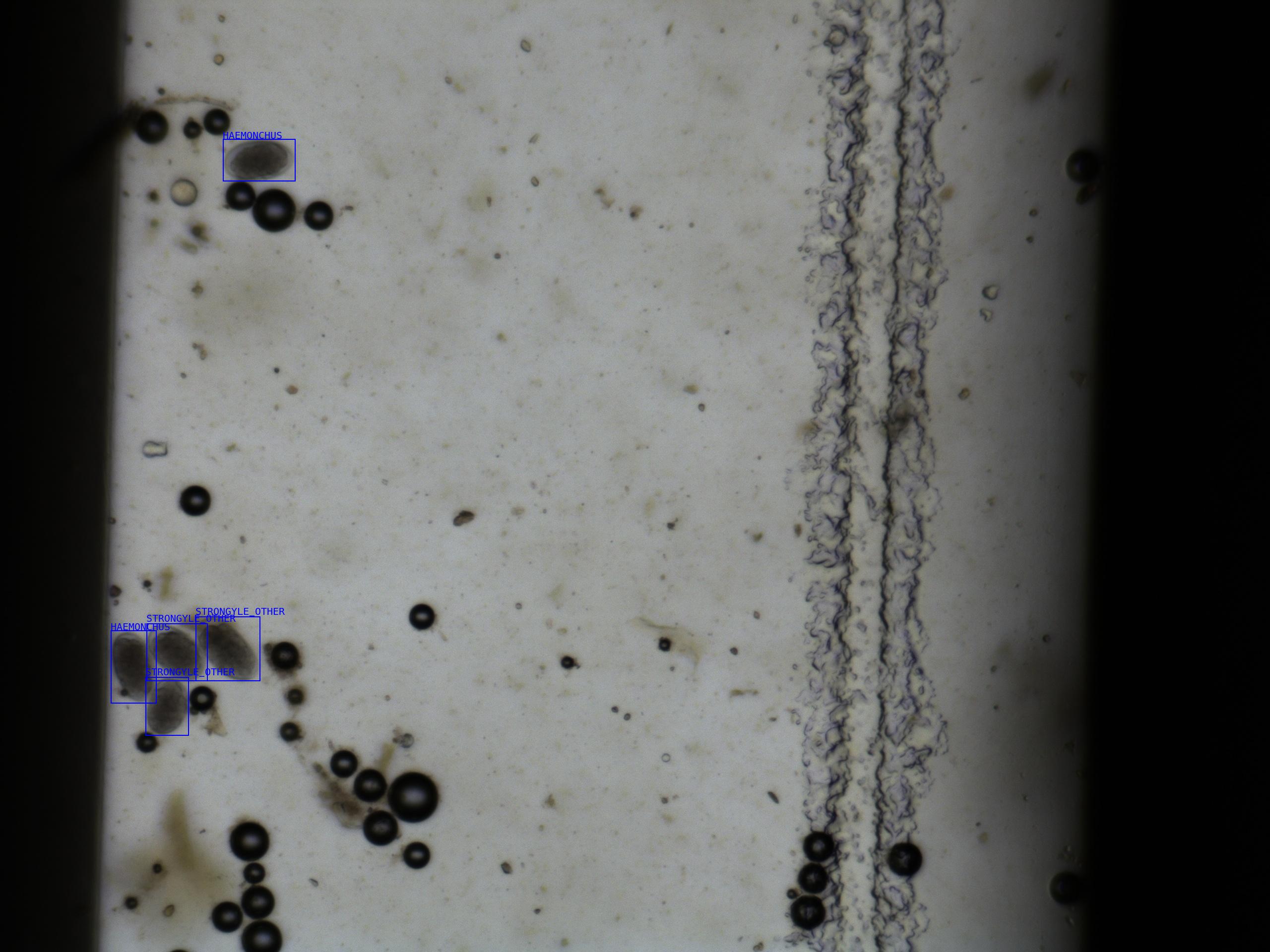
Elghryani, N., Lahan, G., Bor Gohain, J., McOwan, T., & de Waal, T. (2025). Comparison of OvaCyte™ Speciation and PNA staining for the detection of Haemonchus contortus in ovine faecal samples. Frontiers in Veterinary Science, 12:1688644.