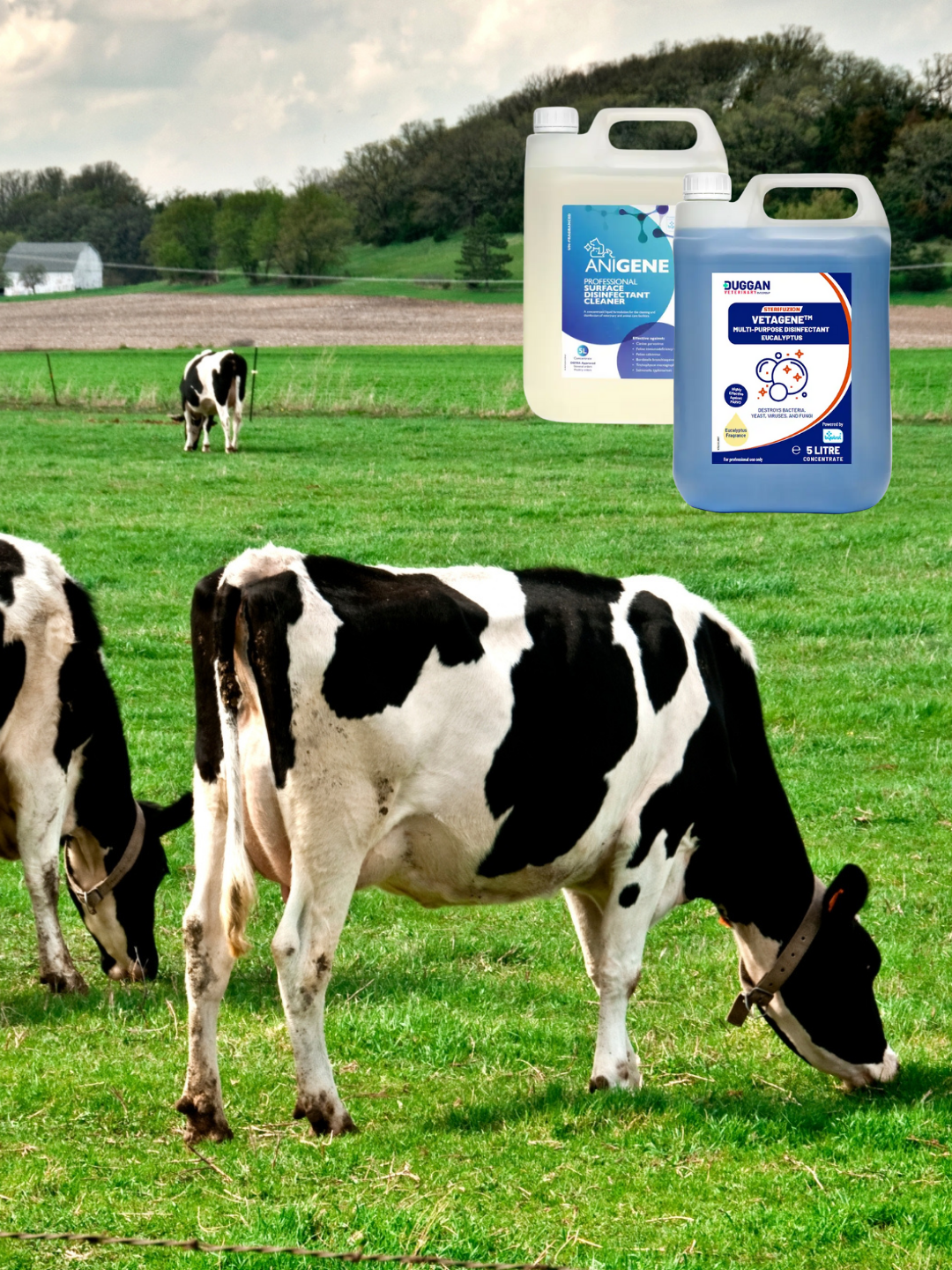
Bluetongue virus (BTV) outbreaks have become a pressing concern for the livestock industry in Ireland, the UK & Europe, affecting the health and productivity of animals and instilling worry among farmers and veterinary authorities.
Recent Outbreaks and Immediate Actions
In late November / early December 2025, two cattle in County Down were confirmed with BTV-3. Testing around that holding has indicated a further 44 cattle are suspected to be infected.
In Great Britain, the rise in BTV cases is alarming, with 126 confirmed incidents across 73 premises. The majority of these cases involve cattle, with a smaller number affecting sheep. The suspected mode of entry for the virus into the UK is through infected midges, underscoring the need for increased vigilance and proactive biosecurity measures by farmers.
Understanding Bluetongue Virus
Bluetongue virus is a non-enveloped member of the Orbivirus genus within the Reoviridae family. Its structure, lacking an outer lipid membrane, influences its interaction with the environment and treatment options.
Who’s at Risk?
BTV primarily targets ruminants, including sheep, cattle, deer, goats, and camelids. Symptoms vary across species, with sheep often experiencing more severe manifestations. While the virus does not pose a direct threat to humans, its impact on livestock can lead to significant economic and trade repercussions.
Strategies to Combat BTV
Effective control of BTV hinges on comprehensive strategies, encompassing vaccination, stringent biosecurity practices, and adherence to movement restrictions and legislation. Key measures include:
Vaccination: Employing authorised vaccines is essential for defence against prevalent BTV serotypes, though challenges remain, such as the absence of a vaccine for serotype 3.
Biosecurity: Implementing robust biosecurity measures on farms can significantly reduce the risk of BTV spread. These include effective vector control, the use of proven disinfectants, and minimising animal contact.
Responsible Animal Importation: Assessing the health status of animals before importation, adhering to vaccination protocols, and observing quarantine measures are critical steps in preventing BTV introduction from other regions.
Legislative Compliance
Familiarity with and adherence to relevant directives and regulations are vital for legal and effective disease management.
Innovative Biosecurity Solutions from Byotrol
Byotrol’s unique disinfection products, including VETAGENE Multipurpose Disinfectant, ANIGENE Professional Surface Disinfectant Cleaner and ANIGENE Professional Chlorine Tablets, offer reliable solutions against BTV. These products, approved by Defra for General Orders, underscore the importance of using validated disinfectants in outbreak scenarios.
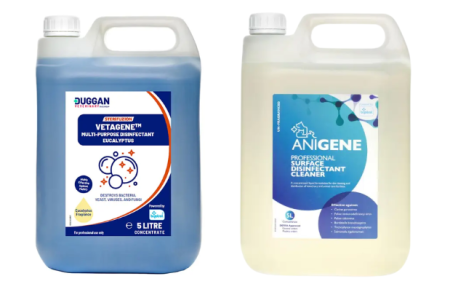 ANIGENE Professional Surface Disinfectant Cleaners can be diluted to 2% to mitigate the risk of Bluetongue virus, with a contact time of 30 minutes.
ANIGENE Professional Chlorine Tablets are also effective when diluted to 2000ppm (2 tablets in 1 litre of water), with a contact time of 30 minutes.
ANIGENE Professional Surface Disinfectant Cleaners (Un-fragranced, Citrus and Dill variants) and ANIGENE Professional Chlorine Tablets have been approved by Defra (the Department for Environment, Food, and Rural Affairs) for General Orders and can be used to control Bluetongue outbreaks.
VETAGENE Multipurpose Disinfectant effectively combats bacteria, viruses, and fungi – ensuring protection against pathogens commonly encountered in veterinary practices. Despite its high performance, Vetagene is compatible with a wide range of surfaces, making it convenient for daily use.
Implications for Pets and Veterinary Guidance
While Bluetongue virus (BTV) predominantly affects ruminant animals, veterinarians should be aware of the rare but potential risk it poses to pets, especially in areas experiencing outbreaks. BTV is typically transmitted through the bites of infected Culicoides midges and is therefore not a concern for household pets like dogs and cats. However, in exceptional cases, such as when pets consume infected ruminant tissues, transmission can occur.
Veterinarians play a crucial role in disseminating accurate information and should guide pet owners on the low risk of BTV to their pets. Veterinarians should stay informed about the local BTV status and advise pet owners accordingly, particularly ensuring that they understand the virus’s primary transmission routes and the low likelihood of pet infection.
In the context of BTV outbreaks, veterinarians should reinforce standard preventive measures and be prepared to address concerns from pet owners, ensuring they have the latest information on the outbreak status and any relevant precautions to take. This approach helps maintain public confidence and ensures that pet owners are correctly informed about the risks and preventive strategies for their animals.
The threat of Bluetongue virus to livestock is undeniable, demanding a coordinated and informed response from the agricultural community. By embracing effective biosecurity measures, vaccination, and innovative products like those from Byotrol, we can mitigate the impact of BTV and safeguard the health and productivity of our livestock. For additional insights or inquiries about our products, please reach out to our team.
sales@dugganvet.ie / uksales@dugganvet.com